What is Mediterranean Gardening?
What is mediterranean gardening all about? We have answers to your questions!
Mediterranean gardens feature lovely flowering and evergreen plants that thrive without irrigation once they’re established. On this page we’ve gathered information with links you can use when you want to go a bit deeper.
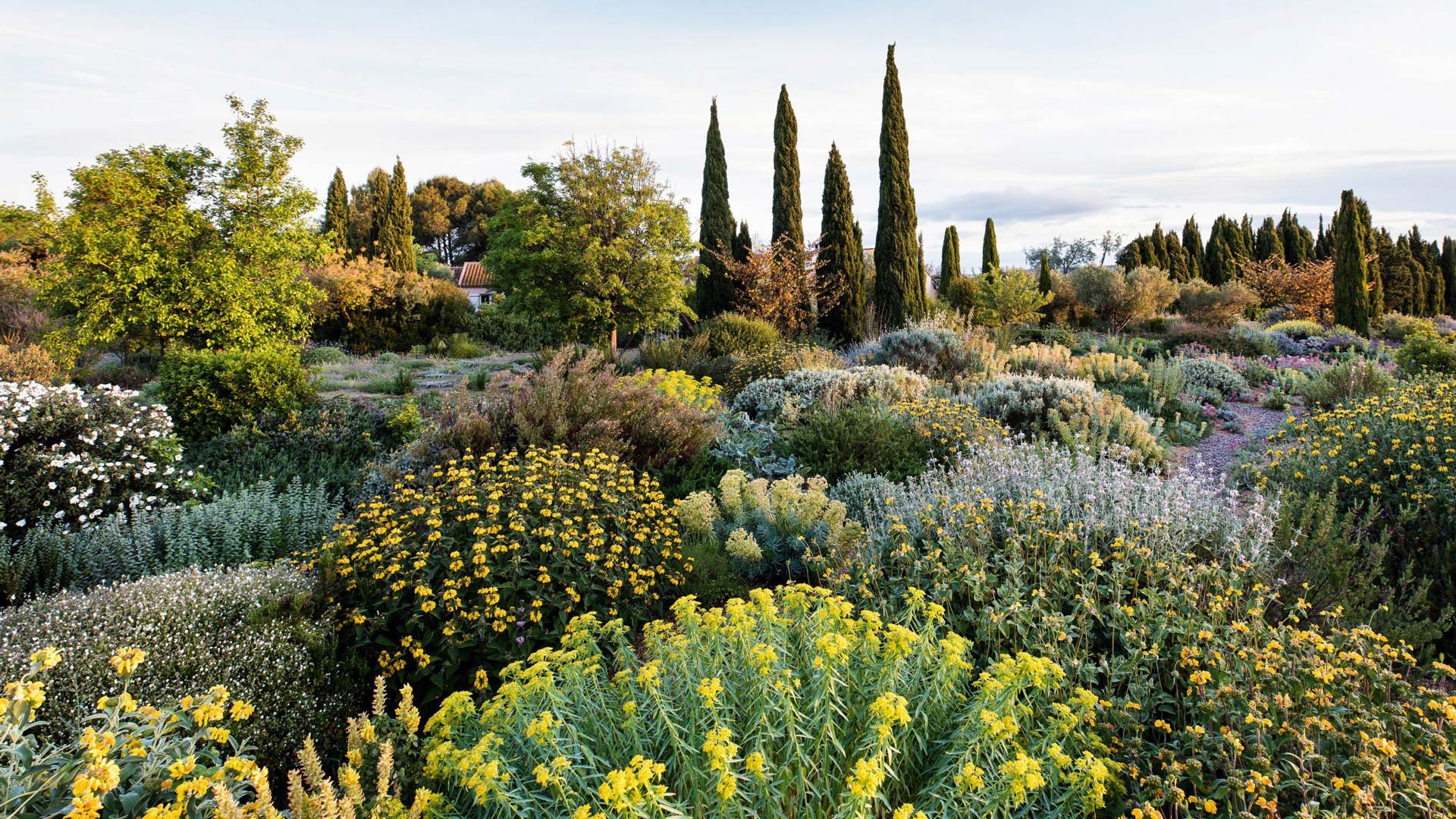
Image of an mediterranean Garden in France without irrigation
Elements of a Mediterranean Garden
Mediterranean gardeners love to spend time outdoors.
“Low maintenance and drought resistant planting will be key to the future development of the garden, not merely because it makes sense for us, but also because we believe it is the right thing to do in terms of conservation of resources and, very importantly, because we have seen what can be achieved using this form of planting.”
Life without a Lawn in São Brás de Alportel
The seven elements
Learn about the seven elements by scrolling through this page or by clicking on the linked words of the elements to jump ahead: climate, plants, water management, soil & mulch, pruning, landscaping and living space.
They all are key to the question: “What is mediterranean gardening?”
Let´s start with the defining element: the mediterranean climate.
Mediterranean climate
Let’s start with definitions. There is the Mediterranean, the land along the sea of that name, and there is mediterranean, the adjective that describes the climate that circles the globe in lucky locations in the Iberian peninsula (including most of Portugal), Southern California in the United States, Australia, Chile and South Africa’s Cape (marked red in below map).
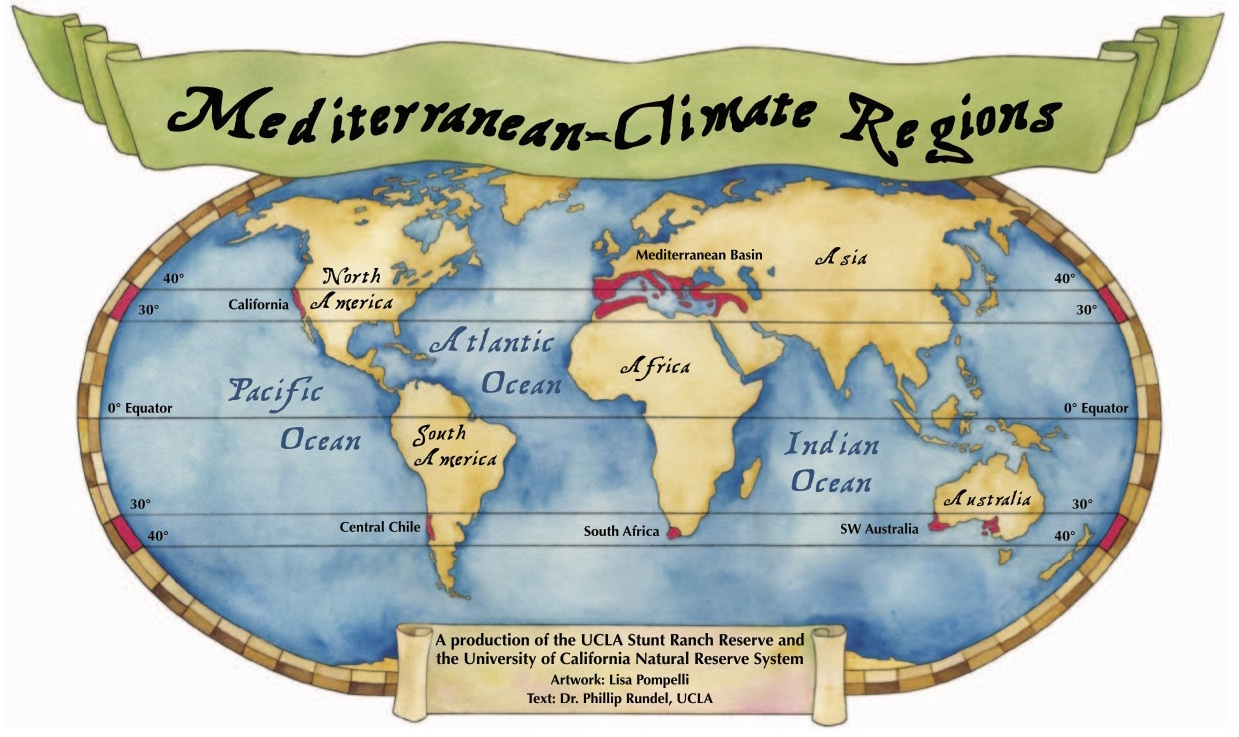
The mediterranean climate is defined by mild winters with occasional rain and long, hot summers with non-existent rain. Flowering seasons are short and distinct. Some areas may have frost in winter. Read more about the climate on Wikipedia.
Spring
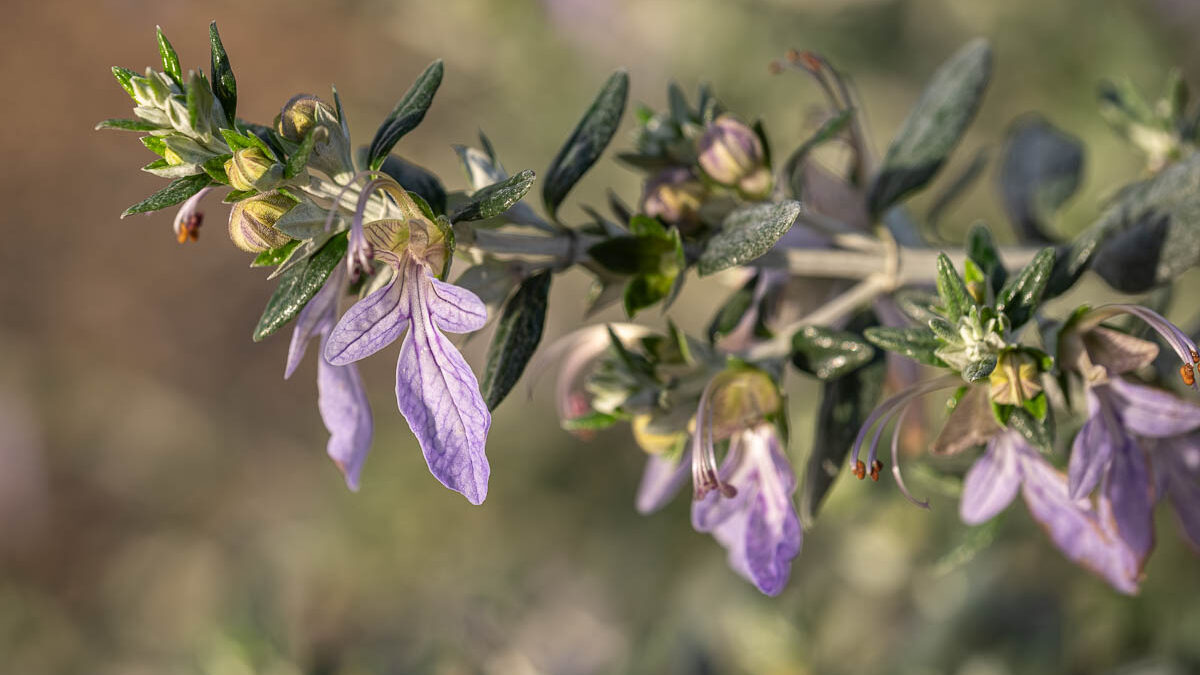
Plants that have been dormant during the colder months start to bud. Bulbs that have been sleeping underground feel the warmth and stems burst from the soil. Flowers that enjoy the warmer temperatures wake up, insects get busy and new colours start to paint the garden and surrounding landscape.
We spend more time outdoors, and the garden welcomes our hands in the soil. Learn about spring tasks.
Summer
Mediterranean summer is about survival, and there are strategies that will help plants make it through the heat. In the summer a lot of mediterranean plants are dormant, so they don´t want to be watered in summer once they’re established. Now is the time for the gardener to rest, eat figs in the shade of a tree or pergola, and enjoy the garden. Summer is the perfect time to plan what to plant in the autumn. Get inspiration from books and articles, meet up with gardener friends and share seeds–but wait until autumn to take cuttings.
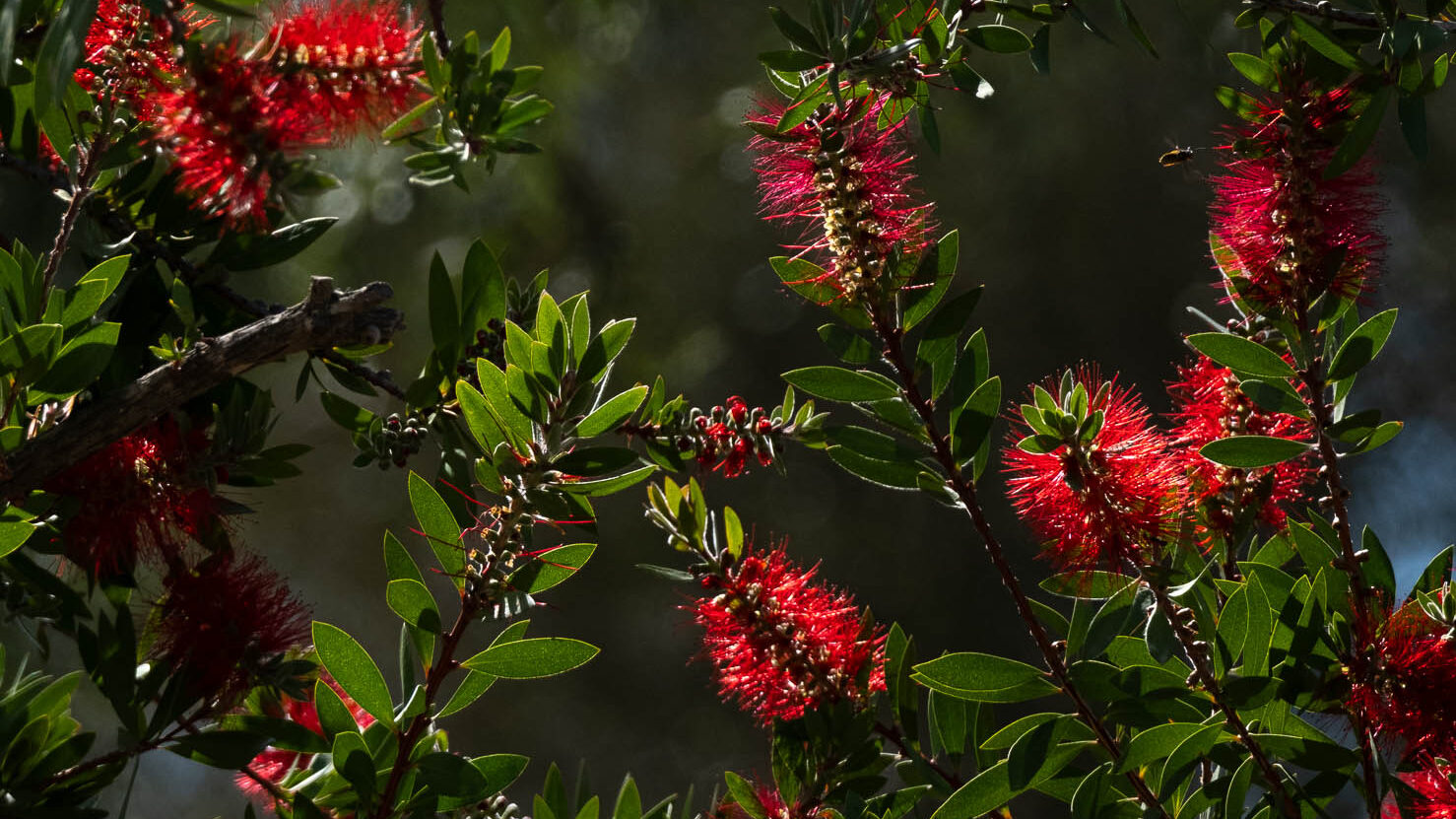
Autumn
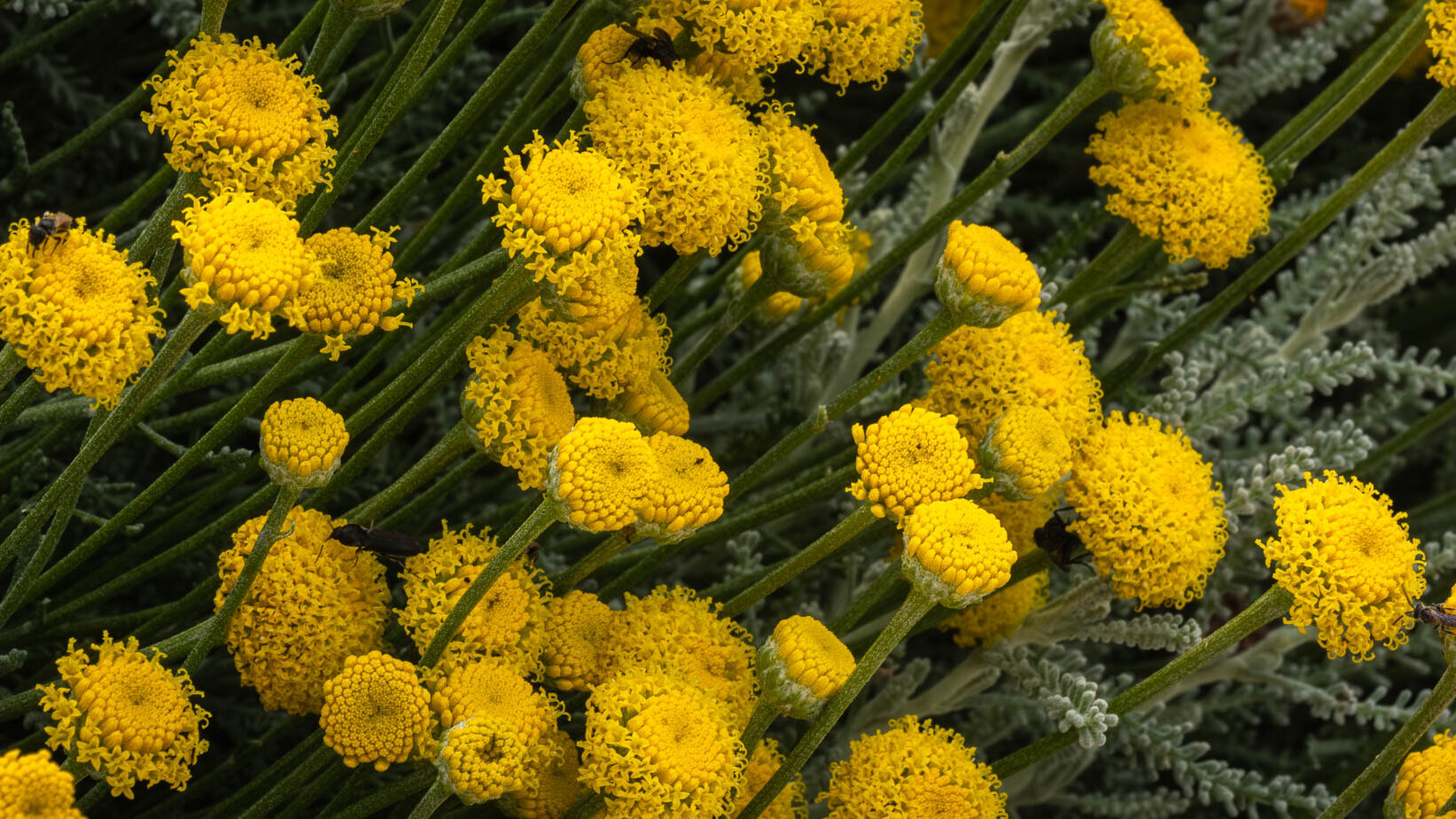
Autumn usually starts in the middle of October, when the first rains arrive and wash the summer dust away. The temperatures fall and plants wake up and start breathing again. Our Garden Fair in Lagoa is a great place for mediterranean gardeners to find plants and inspiration to give autumn a kickstart!
Think of mediterranean autumn as a second spring! Some mediterranean plants are better for coastal areas and others will do well despite frost. Choose plants that fit your garden, no matter where you are in Portugal.
Winter
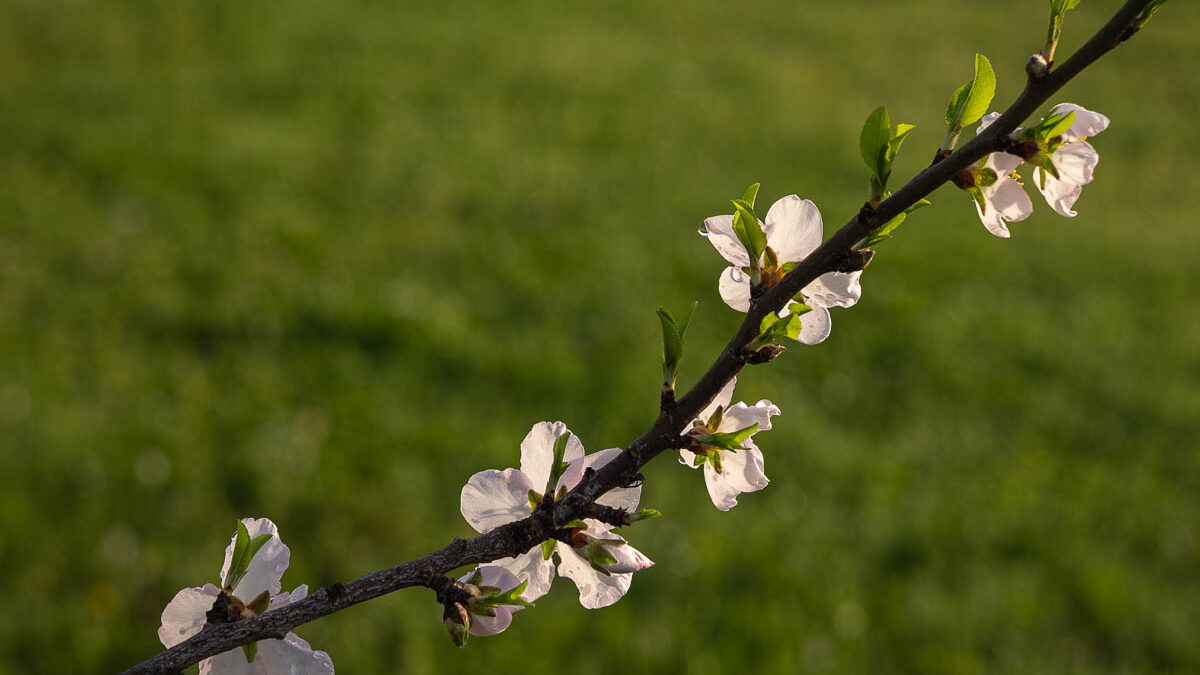
The colourful, delightful blooms in winter energise the mediterranean gardener. Winter is the time to prune trees, when we try to control the Bermuda buttercup and fight the battle with pine processionary caterpillars.
In the mediterranean climate even winter has its blooms: the almond trees and the calla lilies, for example.
Plants
Choosing plants can be very exciting but it’s also a challenge. We want beautiful flowering all year around, and in a mediterranean garden it’s actually possible. With the right choice of plants, the garden can be fragrant and colourful without any irrigation.
There are a wide range of plants for the Mediterranean climate, below are some examples, but you find many more in articles in the plant archive.
Typical Mediterranean plants
- trees: carob, cork oak, olive trees, grevilleas, quince, holm oak, sweet chestnut, strawberry tree
- bushes: pistaches, rhamnos, germander, rock roses, different brooms & brushes, plumbago, capers, myrtle
- perennial flowers: lavender, rosemary, snapdragon, salvias
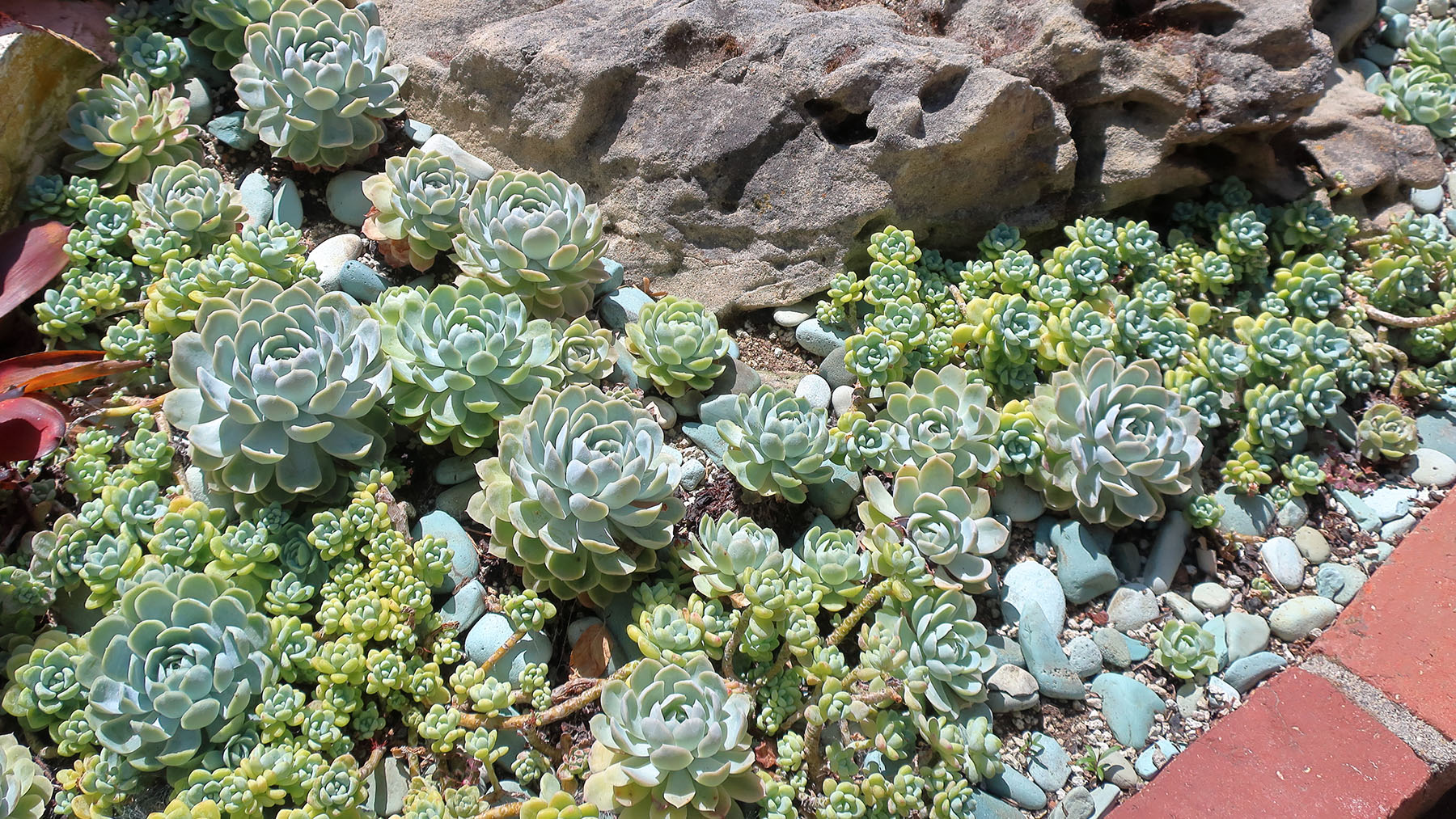
Succulents, bulbs and cacti are beautiful and also fire resistant, and they thrive in a mediterranean garden.
When planning your garden, remember to avoid invasive plants that destroy biodiversity and threaten the ecosystem. Some are even illegal to plant! A trusted source for identifying these problematic plants is Invasoras.pt.
Grow your own food
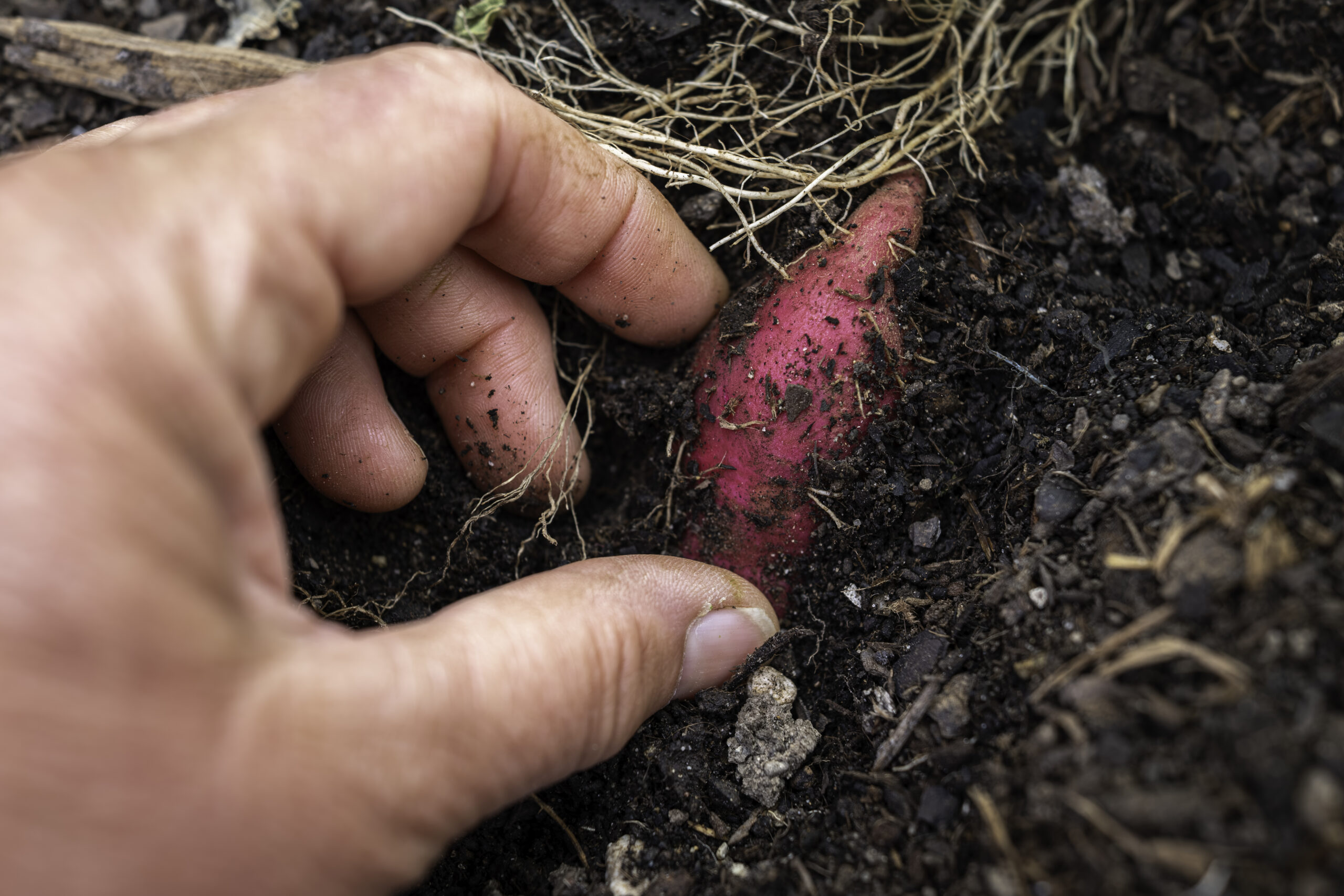
Our lovely climate provides the perfect opportunity to grow our own food. It’s a great idea to replace a lawn with plants that provide food for your table. Sweet potatoes, kale, tomatoes and beans are examples of food you can grow an abundance of in the mediterranean climate. And lets not forget about the trees.
Propagate
Creating or multiplying plants from existing ones has a fancy name: propagation. And it’s easier than you may think! Buy one plant and take cuttings or get cuttings from a friend. Join us at MGAP’s swap events! It’s a great way to meet like-minded gardeners and get more plants that will thrive in your garden.
Here are some Golden rules of gardening.
Water: a precious resource
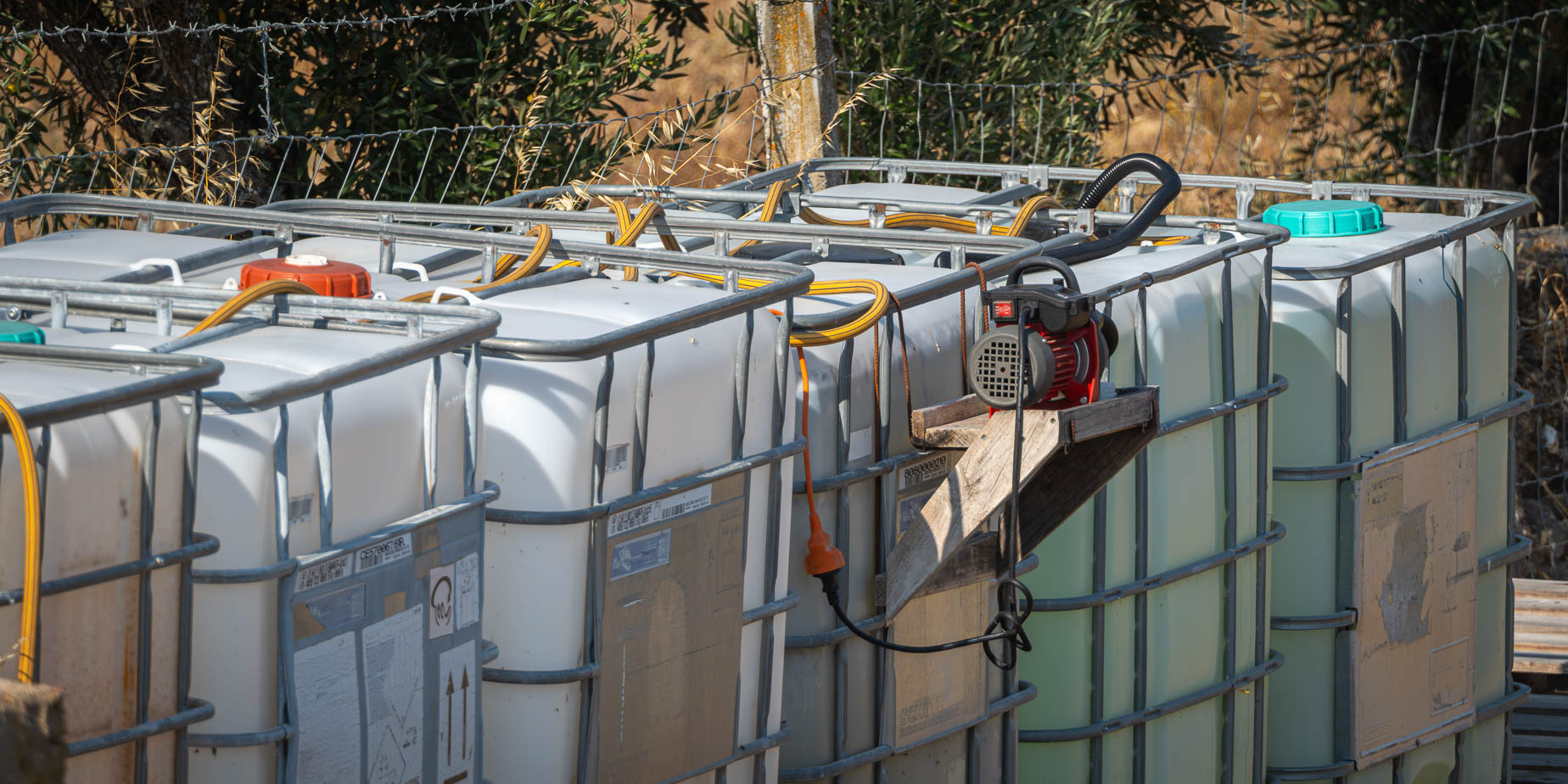
Image of rainwater collected to help establishing plants
Water management
Fighting nature is a losing battle, so we suggest you don´t. Plant mediterranean plants! They need less irrigation and thrive in our rocky, chalky soil and brutal sunlight. Some of the plants will need a couple of years to settle. Until they get established they’ll need a deep watering every now and then.
Your garden will need less maintenance in the years ahead and remember, that if you water plants that like the mediterranean climate in the heat of summer, they might object and die! In the mediterranean garden we have drought in summer, but with the right plants you won’t have to worry about it.
Fruit trees and food plants usually need watering, but there are fruit trees from our “dryland orchard” that don´t need water, for example: almonds, figs, pomegranate, plums, quince and loquat. Blackberries are brambles that don´t need irrigation either.
What is a mediterranean garden? A water-wise, sustainable space that is also beautiful.
Support our work and enjoy the advantages within Mediterranean Gardening Association Portugal
Learn more about the membership in MGAP & join us!
Soil & mulch
Depending on where you live the soils vary. It can be stony and lack nutrients, or it can be stony clay which retains water. Trial and error is a good approach in any garden. Mediterranean plants usually thrive in soil that drains well. We don’t recommend you try to change the existing soil in your garden, instead choose beautiful plants that are used to unamended soil.
It’s good to mulch under trees and bushes using the principle “chop and drop.” If you use organic mulch never put it too close to the plant’s central stem, which needs to be able to breathe. Pebbles or other inorganic mulch work well with succulents–it’s more expensive but won’t need to be replenished, and it looks beautiful. Inorganic mulch is also fire resistant. Any mulch will reduce the soil temperature and help to retain moisture.
Insects and microbes in the soil benefit from mulch; try to never leave soil exposed, especially during the summer. Follow the principle “no bare ground.”
Maintenance
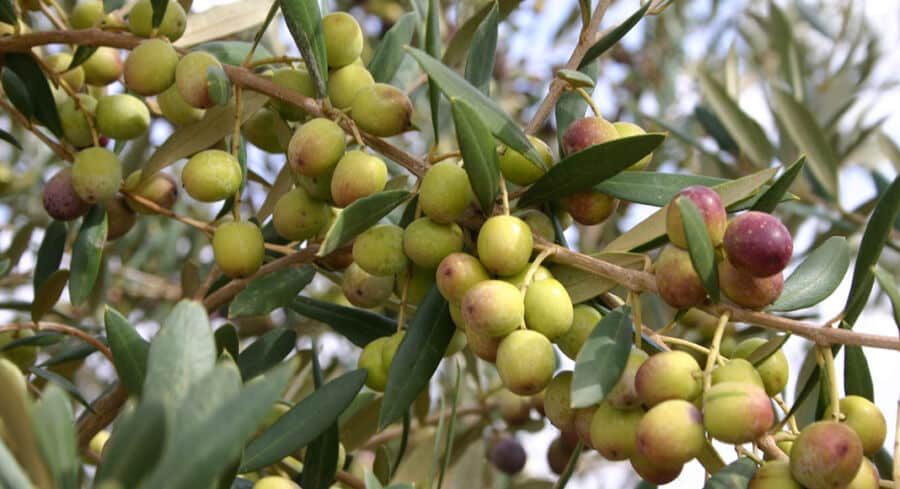
Image of an olive tree branch
Pruning
Pruning in a mediterranean garden focuses on promoting light penetration and air circulation while maintaining natural and sculptural shapes.
Pruning is also essential to prevent lavender and similar plants from becoming overly woody.
Prune fruit trees to keep them small so you can reach the fruit. And, with proper pruning you get bigger and healthier fruit.
Read about pruning of olive trees and the japanese system for pruning fig trees.
Learn more about pruning with the training program within MGAP.
Landscaping and living spaces
Landscaping (hardscaping)
Mediterranean gardens don’t use lawns as major features, and in general they’re best avoided entirely. Open areas are usually covered with cobbles, stone or tile. Natural stone from your surrounding area works well to border planting areas. So when you think about what mediterranean gardening is, its not just about plants. Permeable ground cover allows rain to penetrate.
Even a small garden can be landscaped beautifully. Removing water-hungry lawns in favour of cobbles, stones, tiles and raised beds creates a lovely oasis for the huge variety of plants that like our environment.
Here is an article about pathways.
A meadow is not just beautiful, it´s also beneficial for insects and birds.
What is a mediterranean garden? A living space
The joy of the mediterranean climate is that we can live outdoors so much of the year! We can create outdoor seating areas and other spaces dedicated to outdoor activities. Sun, shadow and wind should be considered depending on the season. It’s always good to observe the seasons for a year before planning hardscaping.
Gardens play an important role in conserving nature–use native plants to encourage a wide range of wildlife into your garden!
MGAPs Mission