Why Gardening is Good for You
Why gardening is the ultimate health and longevity hack! Getting outdoors and breathing fresh air is just the beginning. In this article, I’ll review the science behind why gardening improves health, and ways to get started with your own garden if it’s new to you.
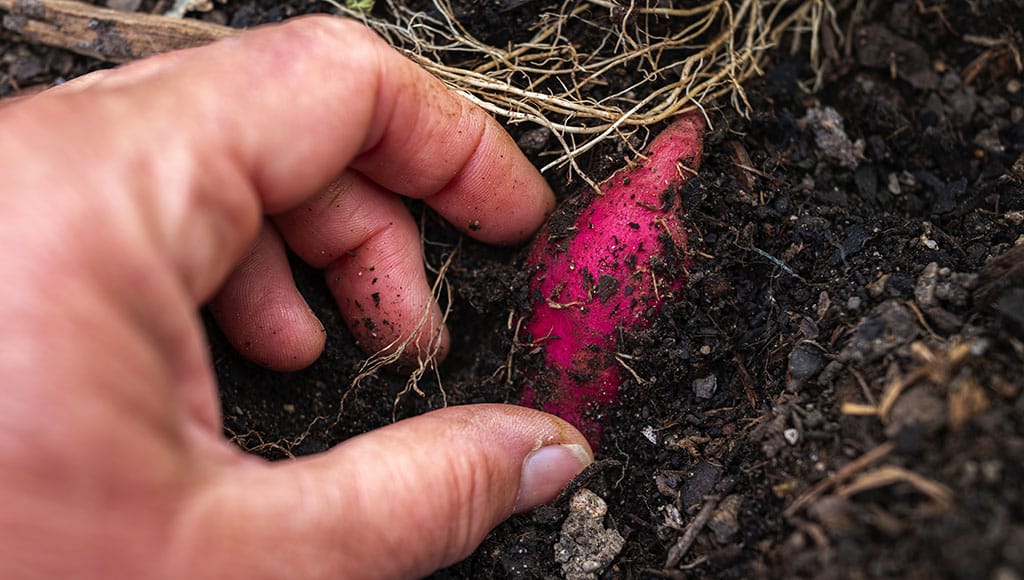
Physical activity
Gardening is a low-intensity activity that takes us through the full range of motion: digging, bending and carrying. Movement is good for the body and mind—but it’s hard to get out there to exercise some days. Having growing things that need our attention pulls us outside when we might default to sitting in a chair.
Dan Buettner is a longevity researcher and author who studies people in Blue Zones: geographic regions across the globe where people live exceptionally long, healthy lives. Gardening is a habit of everyone in the Blue Zones. As Buettner says, “Gardening is a full body workout disguised as a hobby.”
What’s in the dirt?
Grounding, also called earthing, refers to direct skin contact with the surface of the earth with bare hands or feet. Some researchers believe that this absorbs free electrons (like grounding an electrical appliance) to reduce inflammation, improve sleep and modulate stress. They’ve also documented improved wound healing (without getting dirt in the wound, obviously!).
But there are also powerful forces working in ways the eye can’t see: soil microbes are well documented to have positive impacts on health. There are billions of friendly bacteria in soil, including Mycobacterium vaccae and Streptomyces rimosus. These enter our systems by touch and are inhaled through normal breathing.
Soil microbes change our microbiome, the bacteria in our gut, to make it more diverse. This has been shown to have antidepressant-like effects by triggering the brain to produce more serotonin and dopamine. Contact with soil also increases immune response and decreases inflammatory markers in the blood, probably through the same microbiological pathways.
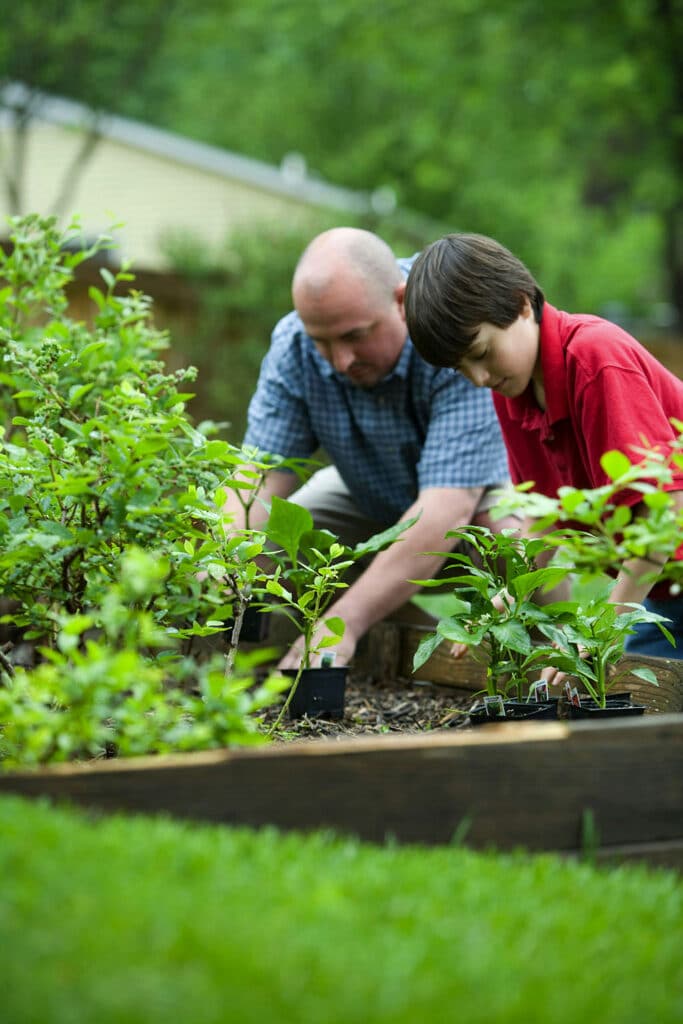
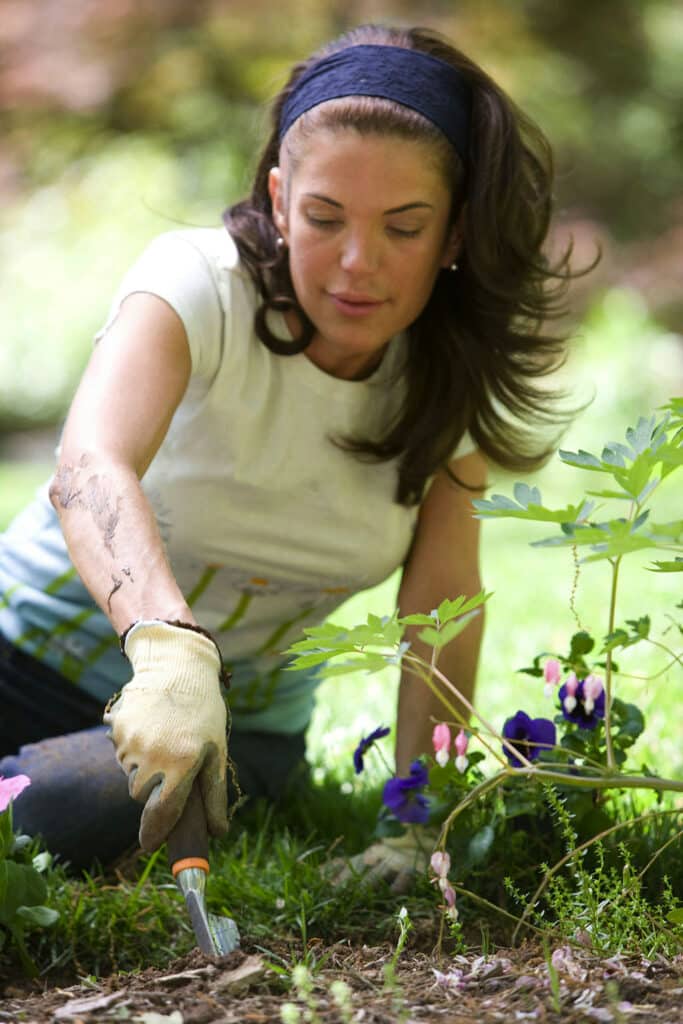
Why gardening in the sunlight?
Sunlight naturally triggers the body to produce Vitamin D. Vitamin D deficiency is linked to premature death, bone loss, cardiovascular risk and cognitive decline. Exposure to sunlight has to be balanced, of course, against the risk of skin cancer (and wrinkles!), so moderation, SPF creams and common sense are necessary.
Morning sun is known to set our circadian clocks, helping us feel sleepy at the right time at night and promoting better rest. An ideal time to get out in the garden is first thing in the morning with a cup of coffee or tea. We breathe in the cool air and the scent of the earth and fragrant plants in bloom, and feel at one with the world. Walking around surveying things, watering plants that are thirsty and deadheading flowers, making note of tasks that need doing is a good start to any day.
Ikigai: a purpose in life
The Japanese have a word that means having a purpose in life: ikigai. It’s what gets us out of bed in the morning and provides deep satisfaction and a sense of well-being.
Having living things that depend on us for survival, whether they be warm-blooded pets or plants, gives meaning and depth to existence. Having something that won’t survive without you gives a profound sense of purpose. A garden is something that needs you tomorrow, every single day.
What does the research show?
Searching the medical literature took me back to my previous career in medical education. I was surprised to find that within this system, there is a MeSH term (a medical subject heading) called: gardening! The literature on why gardening has such positive impact on health is so extensive that it’s included as a topic, just like cancer or high blood pressure. And the breadth of positive results is impressive.
Researchers followed a group of adults for decades. One group gardened, and one group didn’t. Gardeners had a 36 percent lower risk of dementia. A 12 year study of over 4,000 people in Sweden found that gardening reduced the risk of stroke by 27 percent and death from any cause by 30 percent. Among adults 65 years and older, gardening was associated with better cardiovascular health and lower odds of diabetes. It’s good for kids, too, enhancing motor skills, encouraging healthy eating, reducing stress, and enhancing psychological well-being.
With a garden to tend you engage in regular, moderate physical activity. When your hands are in the dirt, your immune system is being trained to fight invaders, and your gut biome becomes more diverse in ways that improve your mood. Chronic inflammation is considered by medical researchers to be the root cause of all the maladies of aging: dementia, heart disease and cancer. Soil contact has been shown to reduce the risk of all these.
How to get started gardening?
Start small. You don’t have to plan and plant a gigantic landscape. Even a few potted plants on a small patio or balcony is gardening, and don’t let anyone tell you otherwise. If you have more land around your house, spend time through the seasons of the first year learning where the sun hits, and whether the soil is clay or sand. Start with a corner you can tend to without being stressed about it.
And another benefit of gardening is: other gardeners! They are some of the kindest and most generous souls, just like you. Join a garden club and make friends with other gardeners. I have learned so much from more experienced gardeners, and so many of my plantings came from cuttings and pieces, along with their advice as to how to grow them.
A great resource for water-wise and stress-free gardening is the Mediterranean Gardening Association of Portugal, MGAP. We have a wealth of information on our website, mgaportugal.org We offer classes and other activities throughout the year. And plan to join us at our autumn garden fair 17-18 of October in Lagoa. We look forward to seeing you there, and helping you take the first steps in your gardening journey!
Posted by Justine Strand de Oliveira
August 2026