November tasks in Algarve gardens
The Algarve has a mediterranean climate–long, hot, dry summers with an average range of 20 to 30° Celsius, and cool, wet winters with an average minimum range of 4 to 10°C. Rainfall is predominantly during winter months and the amount varies between the more oceanic Atlantic western coast and the drier eastern Algarve. The Algarve receives on average 453 millimeters of rain annually, but this can vary locally between 300 and 600 millimeters.
Most plant growth ceases during the summer, with many plants (so-called geophytes) surviving as dormant underground bulbs or corms until new growth is triggered by the first rains in the autumn. Winter rains usually begin in late September or early October, and showers continue into March and April.
There can be long dry spells during the winter but the first autumn rains produce a dramatic greening of the landscape. The first spring flowers appear in late January and, from mid-March to late April, the flowering period reaches its peak and the region is covered in a glorious blaze of colour.
As is typical of the mediterranean climate, frosts are infrequent in the Algarve, allowing the extensive cultivation of tender fruits such as citrus, carobs and olives. The distribution of the frost intolerant olive (Olea europaea) is a good proxy for the extent of the mediterranean climate, which roughly tracks the winter 7° C isotherm across Portugal and the rest of the Iberian Peninsula.
Tender crops are usually grown along the warm southern coastal regions at lower altitude. At higher altitudes in the Serra (over 600 meters), such as the Monchique region, the climate is much cooler and occasional frosts are possible. More hardy fruits, such as cherries and plums, are grown along with cold tolerant vegetables. Olives and citrus are usually restricted to the most sheltered valley terraces and lower slopes at higher elevations.
Throughout the Serra and lower hills of the Barrocal, cork oak, maritime pine and stone pine are extensively cultivated for bark, timber and pine nuts.
The weeks following the first autumn rains mark the beginning of the gardening year. When planting, dig deep and open-up compacted soils. A rough guide is to make your planting hole twice the size of the root ball. Check that it drains well by filling with water and seeing how long it takes to disappear. Bad drainage kills many plants–in the ground or in containers.
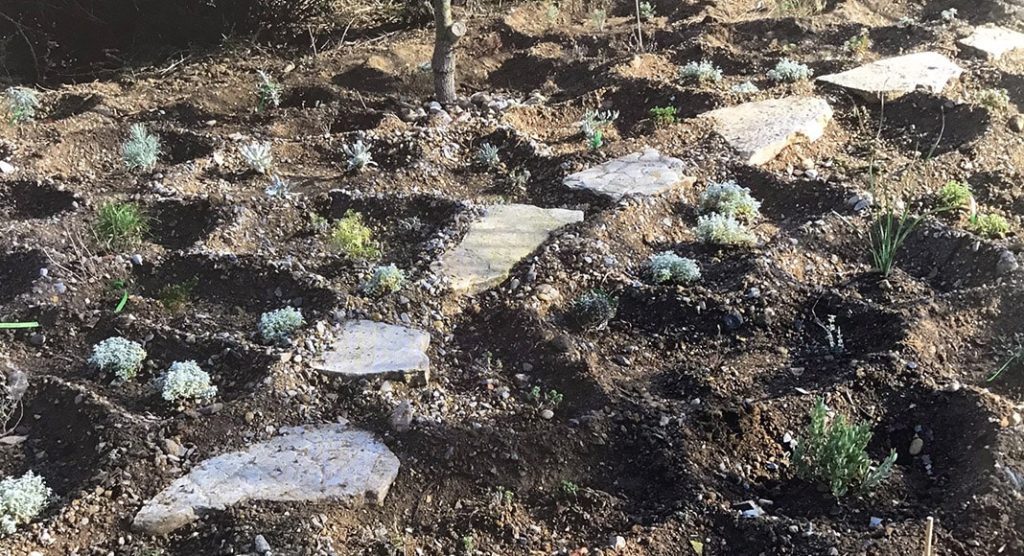
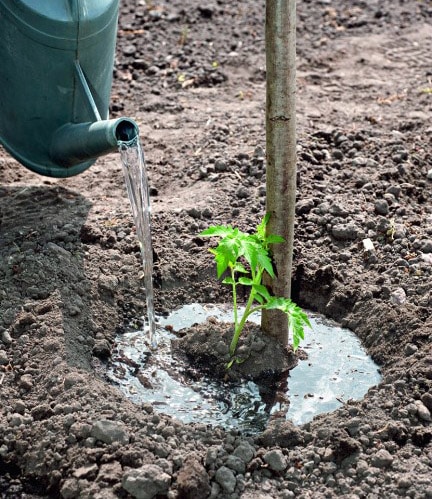
Open-up congested root balls and spread roots around the base of the hole, add in some compost which can be mixed with the soil taken out. Create a depression, or bowl, around the stem of the plant which will catch rainwater and can be used for deep irrigation during the hot summer months.
Most perennial plants need irrigating only once a month during the summer if planted in this way. They will not respond well to the surface sprinkling typical of irrigation systems, which encourage shallow root systems.

Jobs in the November garden
▪ If you do not know who can provide the plants you need, visit our Suppliers Page for ideas. From here, you will also be able to print out our latest guide to plant nurseries in the Algarve–but always arrange your visit beforehand.
▪ Plant bulbs, trees, shrubs and sub-shrubs, especially natives such as lavenders, phlomis and cistus into the still warm soil following first rains of the autumn. The weeks before Christmas are the ideal time to get perennial mediterranean planting into the ground.
▪ Transplant vegetables grown from seed into their final growing positions in the garden: beans, peas, cabbages, leeks, beetroot, potatoes and garlic. There is a large range of vegetables which are best grown through the winter months in areas with no frost. Local markets will have germinated plug plants available.
▪ In the fruit garden, check trees for pests and diseases. Many trees are best pruned after the leaves have fallen when the structure of the branches can be seen clearly.
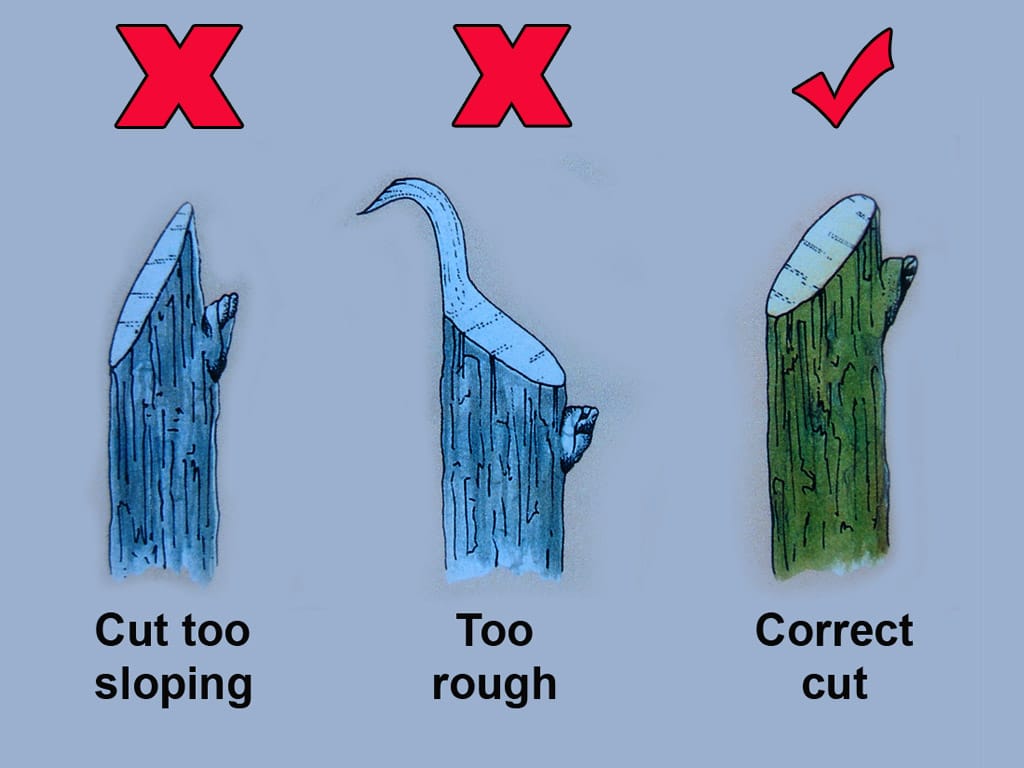
▪ November is a good time to prune hedges, ornamental trees and shrubs. Early growth will then be controlled and give denser foliage cover.
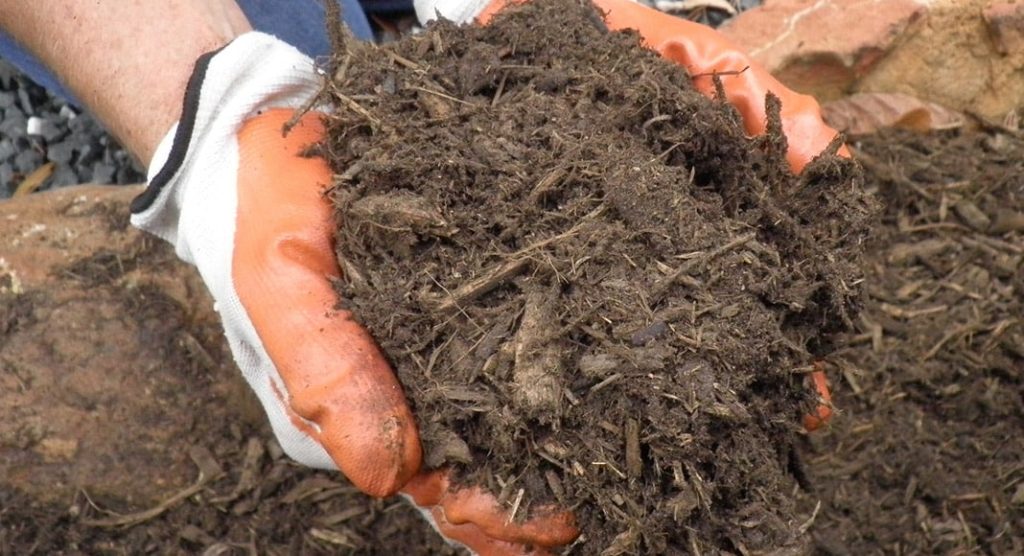
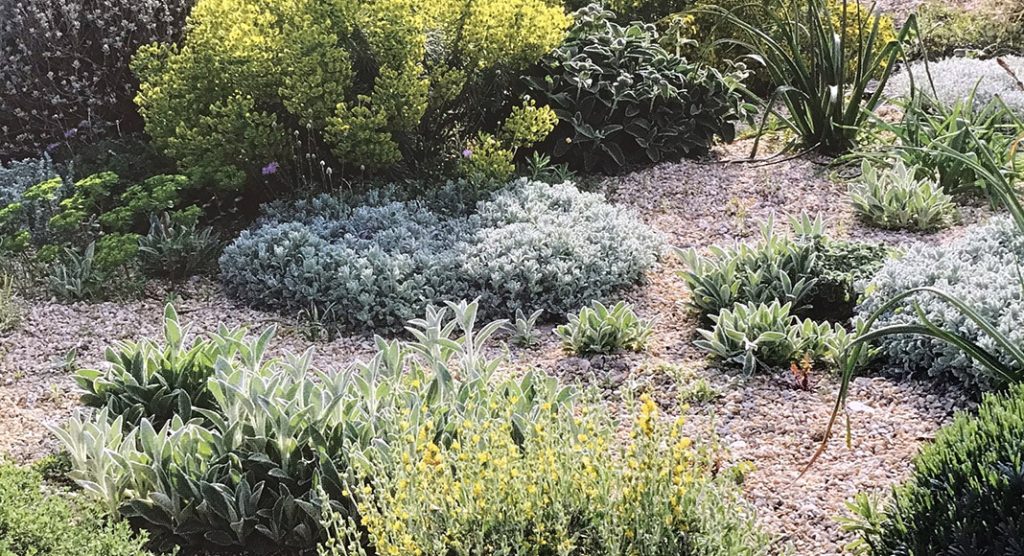
▪ Mulch using organic (compost) or inorganic (gravel or stones) materials to preserve moisture in the soil in newly-planted areas.
During the recent long months of lockdown and restricted travel, our gardens have become havens of peace essential to our wellbeing, both mental and physical. The welcome cooler days of autumn and winter give us the chance to spend even more time outside to enjoy the sensory pleasure of getting our hands into the warm rain-soaked soil.
If you have not been able to purchase plants at big events such as garden fairs or markets, then take the time to seek out local plant nurseries. Make an appointment to visit and spend some time looking around to see the full range of plants on offer.
Posted by Rosie Peddle
November 2020